Author: brettjolly

  • Home Solar Project Reduces 2,000 Mauritian Households’ Electricity Costs and Carbon Emissions

    Home Solar Project Reduces 2,000 Mauritian Households’ Electricity Costs and Carbon Emissions

     ​

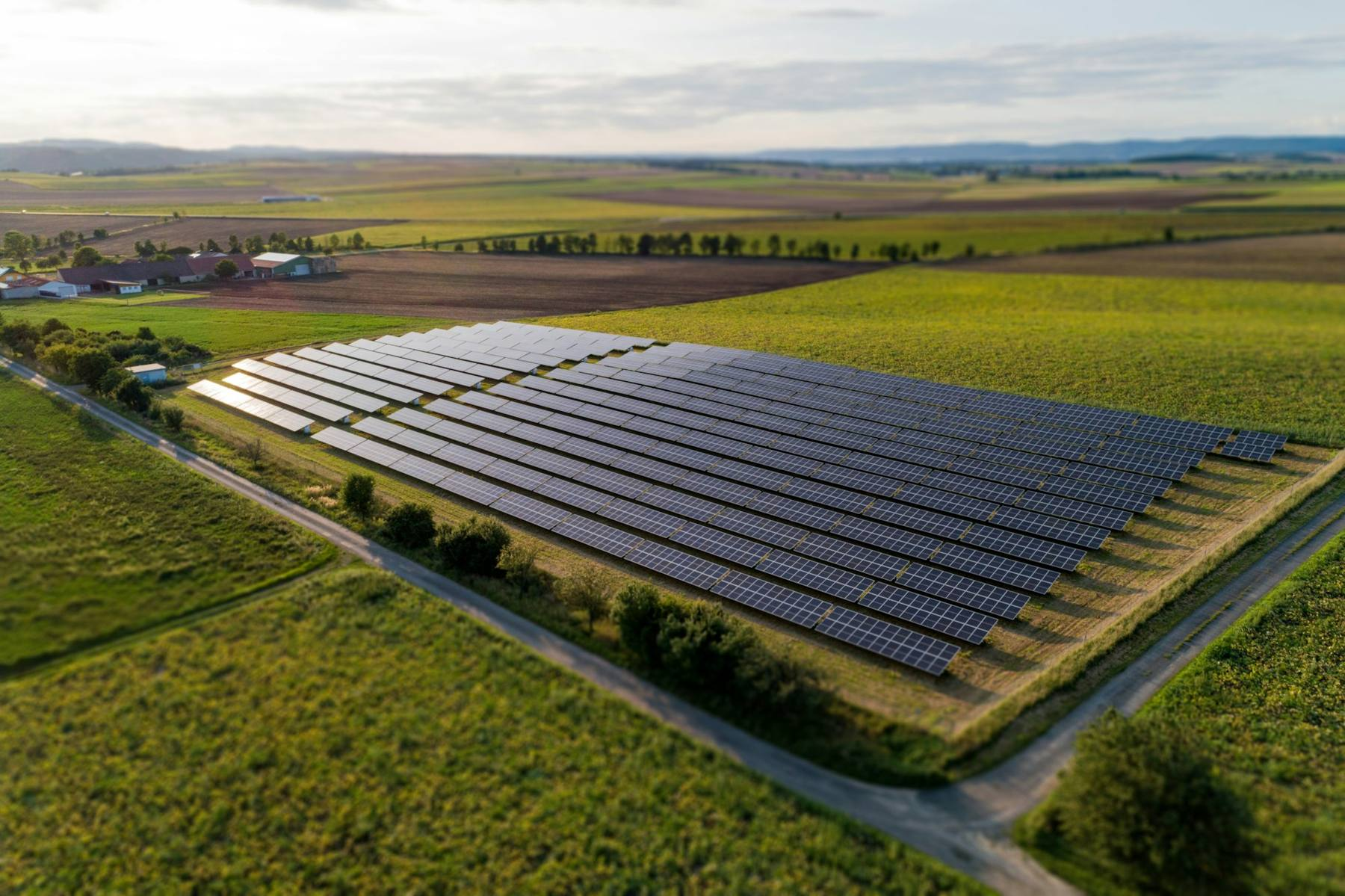
    The Central Electricity Board (CEB), under the Ministry of Energy and Public Utilities of Mauritius, has made significant strides in scaling up the deployment of solar (photovoltaics) PV systems under the Home Solar Project (HSP) scheme. The initiative is made possible through concessional funding from Abu Dhabi Fund for Development (ADFD), which has availed USD 10 million to the project under the IRENA/ADFD Project Facility, covering half of the project total costs. CEB provides the rest of the financing.

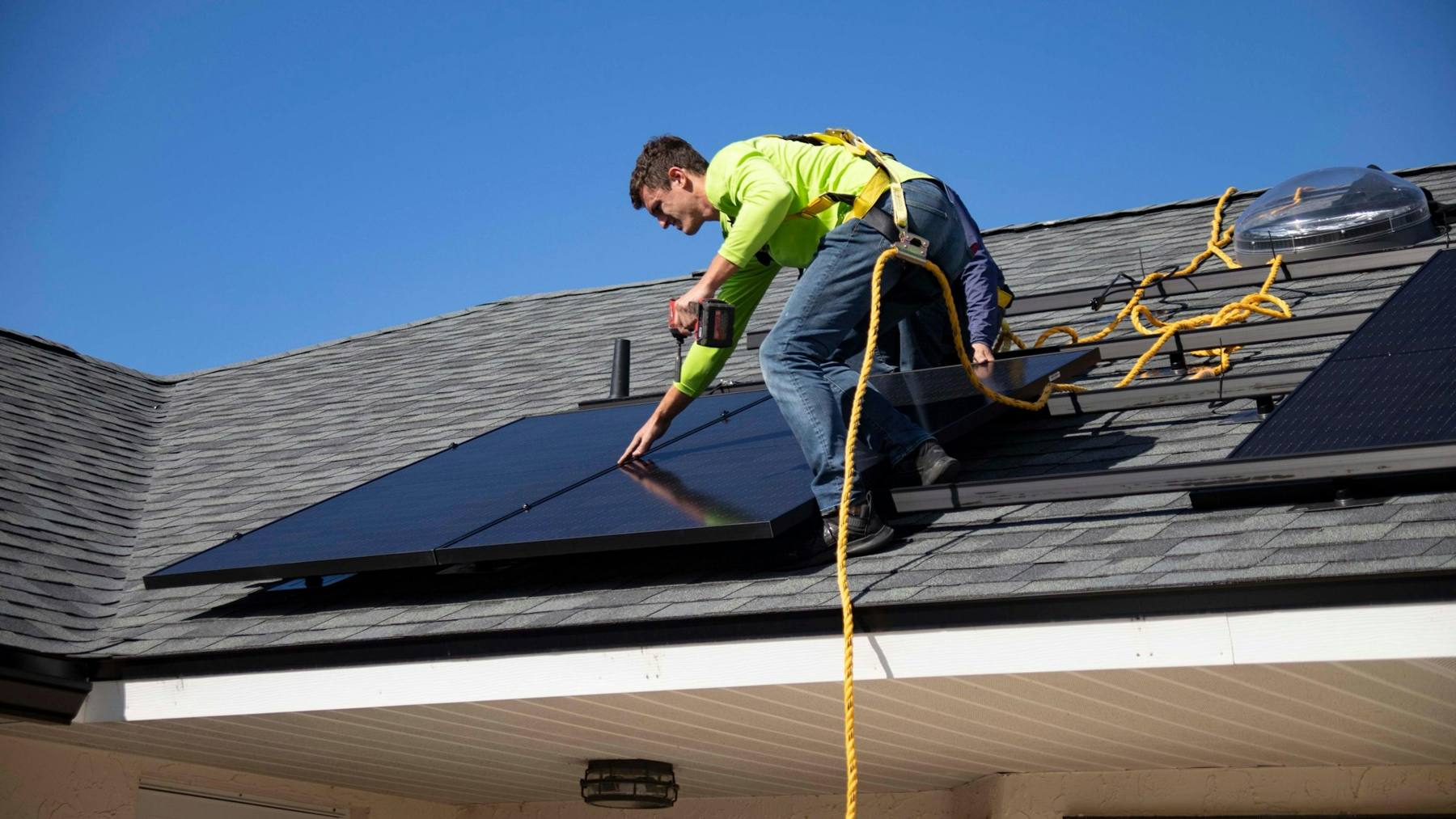
    Recognising the suitability of rooftop solar PV for Mauritius as a Small Island Developing State (SIDS), the socio-economic impact and climate benefits, ADFD and IRENA teams approved CEB’s proposal to install 10,000 solar PV systems on household rooftops across Mauritius.

    This initiative aligns with Mauritius’ commitment to reducing fossil fuel dependence and decarbonising the energy sector. With a total capacity of 10 megawatts (MW) upon completion, the project is saving 15,000 tonnes of carbon dioxide equivalent and USD 400,000 per year while reducing the country’s reliance on diesel fuels.

    “The first benefit we saw was the reduction in our electricity bills,” says Denis Trevedy, a resident of Dagotière in Mauritius. “When we saw it drop by more than 50%, it was really great. And when people heard about the savings we were making, everyone was interested.”

    The project is in line with the government’s efforts towards social and economic development, whilst contributing to the targeted share of 60% electricity from renewables by 2030. As an incentive to host CEB’s solar module, each household receives a free baseline consumption, decreasing the electricity charges. The generated electricity, which is left unconsumed, is injected into the grid.

    “The solar power has considerably reduced our electricity bills,” says Emilie Lacharmante, a project beneficiary living in Petite Julie. “It has enabled us to buy more groceries. We’ve been able to make enough for the month, completely.”

    The project focuses on bringing rooftop solar modules to social housing developments. The solar panels are provided and installed free of charge for the beneficiary households. To enhance awareness and encourage participation among eligible households, CEB has executed a successful outreach programme and awareness campaign, which resulted in the installation of solar systems for 2,000 households.

    Together, ADFD and IRENA have selected 26 clean energy projects in 21 countries across Asia, Africa, Latin America, and SIDS. The IRENA/ADFD Project Facility encompass a wide spectrum of technologies and renewable energy sources – wind, solar, hydro, geothermal and biomass. Estimated to generate a total capacity of 245 MW, those projects can fuel the needs of more than 4.5 million households and businesses in the different regions.
     

  • An Unprecedented Momentum for Renewables: Latest Achievements in Review

    An Unprecedented Momentum for Renewables: Latest Achievements in Review

     ​[[{“value”:”


    REmemberLog in to the Member section


    Up to date with IRENAGet informed about news and updates relevant to your area of interests


    ClipboardHere you can find interests items you have saved by exploring IRENA.org


    “}]] 

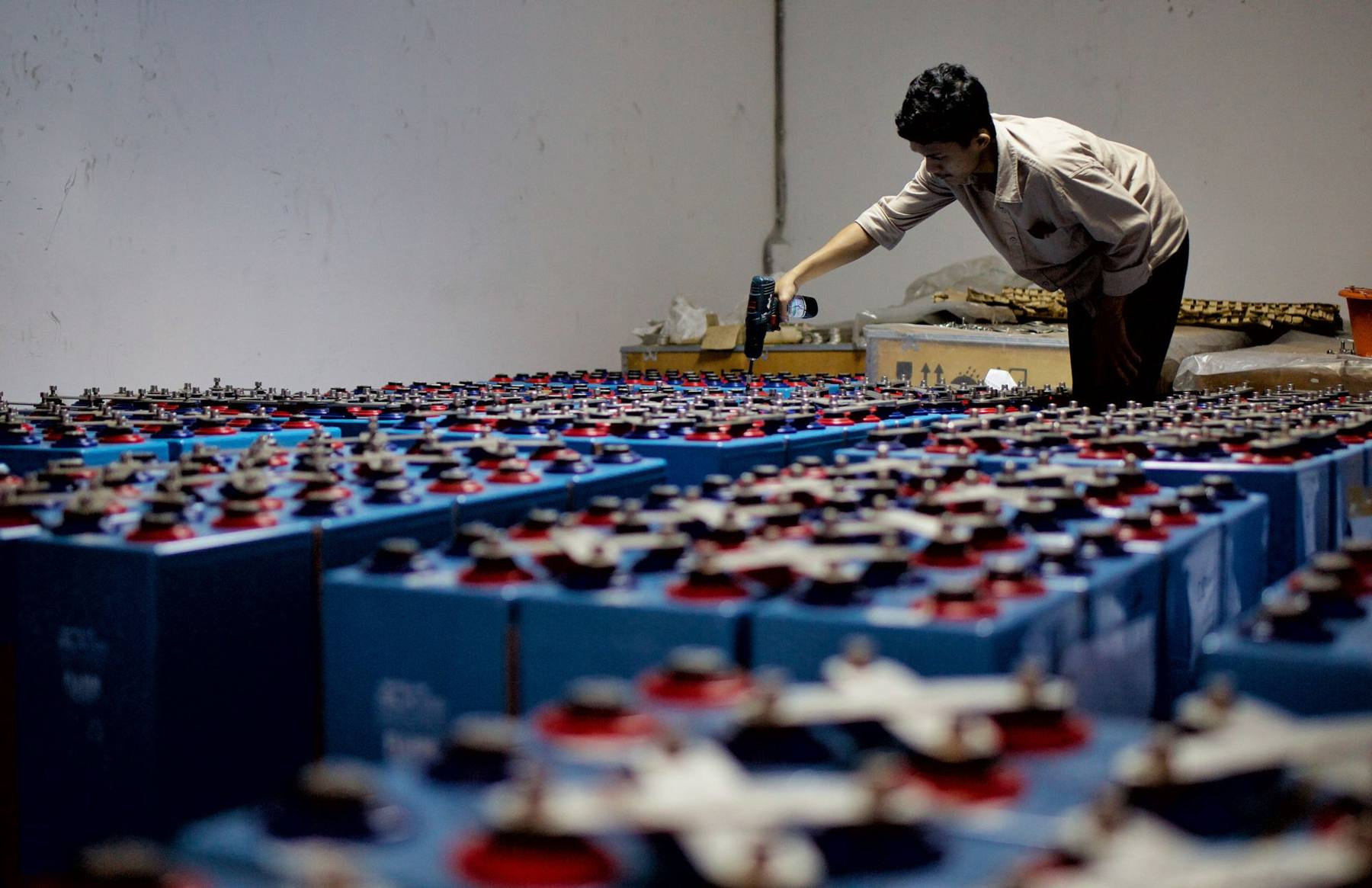
  • The 360 Gigawatts Reason to Boost Finance for Energy Storage Now

    The 360 Gigawatts Reason to Boost Finance for Energy Storage Now

     ​

    Our world has a storage problem.

    As the technology for generating renewable energy has advanced at breakneck pace – almost tripling globally between 2011 and 2022 – one thing has become clear: our ability to tap into renewable power has outstripped our ability to store it.

    Storage is indispensable to the green energy revolution. The most abundant sources of renewable energy today are only intermittently available and need a steady, stored supply to smooth out these fluctuations. Energy storage technologies are also the key to lowering energy costs and integrating more renewable power into our grids, fast.

    If we can get this right, we can hold on to ever-rising quantities of renewable energy we are already harnessing – from our skies, our seas, and the earth itself.

    The gap to fill is very wide indeed. The International Renewable Agency (IRENA) ran the numbers, estimating that 360 gigawatts (GW) of battery storage would be needed worldwide by 2030 to keep rising global temperatures below the 1.5°C ceiling. Only that will allow us to get almost 70% of our energy from renewable sources. The world urgently needs more pumped hydropower storage, more decentralized mini-grids, and bigger, better, and more recyclable electrochemical batteries. We need accelerated testing of new technologies, like green hydrogen, thermal storage using molten salts, or flywheel-based mechanical solutions.

    When it comes to ramping up storage in developing countries, many creative actors are already working hard to get the mix right: setting out regulatory frameworks that can successfully monetize the value of new storage technologies, pioneering innovative new business models, and building the kind of infrastructure needed for a huge scale-up.

    One large missing piece has been funding.

    Storage projects are risky investments: high costs, uncertain returns, and a limited track record. Only smart, large-scale, low-cost financing can lower those risks and clear the way for a clean future.

    The Climate Investment Funds (CIF) – the world’s largest multilateral fund supporting energy storage in developing countries – is working on bridging this gap. CIF is the biggest funder globally of mini-grids, a proven game-changer for isolated communities. A single rural electrification project in Mali has given almost a half a million people access to cleaner, cheaper and more reliable electricity, by replacing costly and polluting diesel generators with a hybrid (battery storage and diesel) mini-grid system. CIF is also fueling the next frontier in energy storage: $70m in CIF funding is set to help kick-start a $9 billion energy revolution in Brazil, which includes substantial investments in energy storage, such as pumped hydro and green hydrogen development.

    And in the Maldives, CIF is supporting the government’s efforts to hit one of the most ambitious climate targets in the world: net zero by 2030. Getting there will take a concerted effort. While sunshine is plentiful, the population of the Maldives is spread across more than 200 islands and is 95% reliant on generators driven by expensive and highly-polluting diesel.

    In 2017, CIF and the Maldives embarked on our signature partnership model: the country led the process, backed by large-scale, long-term, and low-cost finance from ourselves and our multilateral development bank partners (in this case, the Asian Development Bank and the World Bank).

    Within four years (from 2017 to 2021), the cost of electricity dropped from 21 cents to just 11 cents. And that initial support package has spurred an ambitious follow-on initiative expected to mobilize an incredible $152.4 million in new investment, install 90 MWh of battery storage, and save the country $42.38 million annually on diesel imports.

    Over 4,000 miles away and with a population one hundred times larger, another country is making great strides in energy storage. Thanks to $250 million in concessional finance from CIF, South Africa is soon to see 100 MW of new storage capacity come online. With technical assistance provided under this project, national grid codes and other essential policies were created, ultimately leading to 455 MW of battery storage being backed by private investors – to the tune of approximately $605 million.

    Many other developing countries want to move away from fossil fuels, but have been blocked by the costs of getting energy storage systems rolled out at scale.

    That’s why CIF has just launched a first-of-its-kind $400 million Global Energy Storage Program (GESP), dedicated to breakthrough storage solutions. This is the largest climate funding vehicle in the world solely focused on energy storage.

    Twelve new projects across the developing world have already been approved, including in Bangladesh, Brazil, Colombia, Haiti, Honduras, India, Indonesia, the Maldives, and Ukraine. In the next three years, CIF plans to create 1.8 GW of new storage capacity and integrate an additional 16 GW.

    And the best part? Every dollar invested is expected to generate up to $16 in co-financing. It’s time to get that ratio working, where it matters most.

    Originally published on CleanTechnica.


  • 2024 update: takeaways from Cop28

    2024 update: takeaways from Cop28

    At the end of 2023, Dubai hosted the historic 28th Conference of the Parties to the UN Framework Convention on Climate Change. As the first conference of its kind to take place in a major oil producing region – the Middle East – there was much speculation as to how it would be possible to gain an agreement to reduce fossil fuels. As specialists in sustainable investing, RA-LP, has taken a keen interest in the conference and the final agreements.

    Main objectives

    The purpose of the convention was essentially two-fold: Firstly, to assess how far each country has progressed with the implementation of the 2015 Paris Agreement. Secondly, to agree a course of action that would reduce the amount of greenhouse gas emissions, whilst protecting the most vulnerable who currently rely on fossil fuels.

    Agreement to phase out fossil fuels

    The most eagerly anticipated topic on the agenda was the very real need to pivot away from fossil fuels and a recognition that these are main culprits in the climate change crisis. As a result, an historic agreement was made between 200 parties to ‘phase down’ fossil fuels (not ‘phased out’ as originally suggested). A commitment was made by all countries to ‘transition’ from fossil fuel energy in order to achieve the 2050 goal of net-zero emissions. A further agreement was reached to triple global renewable energy capacity by 2030 and to increase investment in new green technologies.

    The concerns about the venue and the vested interests of the oil exporting nations were realised, when the CEO of Adnoc (the UAE state-owned oil producer) Sultan Al Jaber, disputed the science behind the Paris Agreement and the need to ‘phase out’ fossil fuels in order to reduce global warming, before capitulating and agreeing that it would need to happen eventually. India, China and Russia did not submit new data or Nationally Determined Contribution pledges, as required under the Paris Agreement.

    Financial support for developing countries

    An agreement was reached within the opening few days of the conference to create a fund to help poorer nations. Developing countries are at the pointed end of the global warming crisis. They are already feeling the negative effects of climate change, yet they cannot afford to implement, let alone invest in sustainable energy and technology. Many of these poorer countries rely solely on fossil fuel energy to survive. According to the International Renewable Energy Agency (IRENA), heating and cooling accounts for half of the world’s energy consumption which equates around 40 per cent of global carbon emissions.

    The annual cost of damage to these nations is expected to be in the region of between 100 billion to 580 billion US dollars. So far, the amount pledged for the fund stands at 700 million US dollars, which is substantially lower than the amount required to offset cost of damage.

    $30 billion Climate capital fund

    Another initiative to be agreed is the creation of a 30 billion US private market climate capital fund to motivate ESG investingin the private sector.  The capital fund and expertise provided by the World Bank, World Economic Forum and International Finance Corporation are intended to encourage renewable energy investment by the private sector in projects that will reduce carbon emissions and benefit developing countries tackling climate change. If you would like to know more about RA-LP.com’s ESG investing opportunities and investment bonds, visit www.RA-LP.com or email info@RA-LP.com.

  • Tripling Renewables is Key to Meeting Climate Goals

    Tripling Renewables is Key to Meeting Climate Goals

     ​[[{“value”:”


    REmemberLog in to the Member section


    Up to date with IRENAGet informed about news and updates relevant to your area of interests


    ClipboardHere you can find interests items you have saved by exploring IRENA.org


    “}]] 

  • Innovative Policymaking is Crucial to Drive Green Hydrogen Market and Ensure its Sustainable Production

    Innovative Policymaking is Crucial to Drive Green Hydrogen Market and Ensure its Sustainable Production

     ​

    According to the International Renewable Energy Agency’s (IRENA) World Energy Transitions Outlook 2023, the most realistic way to course correct the 1.5°C Pathway is by tripling renewable energy and the doubling of energy efficiency by 2030. Green hydrogen has an important role to play in helping reach of that target.

    Over the last few years, green hydrogen has been championed as the fuel of the future, thanks to its reputation as a clean, storable and portable energy source. Its high energy density makes it ideal for fuelling energy intensive industrial processes that are difficult to electrify and hard to abate sectors such as aviation and shipping.

    There is a pressing need to increase demand by moving from commitments and pledges to actual projects. However, progress in international cooperation to establish global targets for demand creation has been limited. This is where policy framework should come in.

    In light of the upcoming report by IRENA, the United Nations Industrial Development Organization (UNIDO) and the German Institute of Development and Sustainability (IDOS), speakers at the COP28’s Global Renewables Hub discussed how policymakers can drive local value chain creation around green hydrogen production. Based on these insights, country-specific needs may subsequently be addressed through projects and cooperation.

    In his opening, UNIDO Managing Director Gunther Beger, said, “Innovative solutions for de-risking investments are required to push the green hydrogen globally. Such solutions can path the way for hydrogen to help us reach net zero goals. I am very happy with this cooperation, resulting in an extensive and insightful report, which we hope can help accelerate the uptake of green hydrogen.”

    IRENA Acting Director of Knowledge, Policy and Finance Centre, Ute Collier said, “Green hydrogen development has the potential to generate socio-economic benefits such as job creation, which we would like to see more in the developing world. We do hope our joint report can shed light on how policymakers can address the challenges faced by green hydrogen.”

    Global South countries hold the keys for a sustainable green hydrogen production as they have the highest potential for producing it. By prioritising use over export and align green hydrogen production with Sustainable Development Goals, Global South countries can unleash the opportunities that this energy carrier can offer them, as pointed out by Rita Strohmaier from IDOS. After all, exploiting the benefits of green hydrogen accelerates the energy transition.

    Scaling up green hydrogen production is not without consequences, however. Increased green hydrogen production equals increased water withdrawal and consumption. As global demand for hydrogen expands, the total freshwater withdrawal could more than triple by 2040 and increase sixfold by 2050.

    Water shortages can put pressure on the energy sector, and are likely to continue to occur and become more frequent as extreme weather events intensify, especially in areas best suited to green hydrogen production. In regions where water is scarce – to reduce water use and potentially lower costs – the use of water-efficient cooling technologies like air cooling is recommended by another new report by IRENA.

    Developed with Bluerisk and launched at COP28, Water for Hydrogen Production offers tailored recommendations to guide policymakers and industry towards more water-efficient practices. This includes conducting thorough water risk assessments and setting up stringent water use regulations, to ensure sustainable growth in the hydrogen industry while preserving scarce and shared water resources and minimising disruptions that could arise from climate risks or competition for water use.

    Opening the launch session, IRENA Acting Director of Knowledge, Policy and Finance Centre, Ute Collier said, “Hydrogen is expected to play an important role in the energy transition that will allow us to achieve the 1.5°C climate target. This report aims to start a conversation between policymakers, industry leaders, and communities towards a more informed and sustainable production and use of hydrogen.”

    The report’s in-depth analysis results in a set of specific recommendations. Chief among them is the call on governments to prioritise renewables-based hydrogen in the establishment of hydrogen market.

    Concluding his presentation during the launch, Bluerisk Director, Tianyi Luo said, “Water withdrawal and consumption should be considered as performance indicators of green hydrogen. Our report recommends regulations and financial incentives to favour projects that demonstrate efficiency, prioritising sustainability of water and energy.”

    The report Water for Hydrogen Production can be found here.

    The report Green hydrogen for Sustainable Industrial Development: A Policy Toolkit for Developing Countries can be found here.


  • Three Youth Entrepreneurs Honoured with IRENA’s NewGen Rising Stars Award

    Three Youth Entrepreneurs Honoured with IRENA’s NewGen Rising Stars Award

     ​[[{“value”:”

    Young business leaders from IRENA’s NewGen Renewable Energy Accelerator Programme are recognised for their unique sustainability solutions at COP28.

    Dubai, United Arab Emirates, 9 December 2023 – The International Renewable Energy Agency (IRENA), supported by the United Arab Emirates, announced today three recipients of the newly established IRENA NewGen Rising Stars Award.

    Earlier this year, IRENA, in collaboration with Social Alpha, a non-profit organisation based in India that supports social start-ups, and the Enel Foundation, a global non-profit organisation focused on supporting the development of studies and research in the energy field, launched the NewGen Renewable Energy Accelerator (NewGen) Programme. The goal of the programme is to empower youth to be active participants in the energy transition by providing them with the tools, knowledge and support needed to develop and implement their ideas.

    IRENA’s Director-General Francesco La Camera said: “Youth are vital actors when it comes to energy transformation. They are agents of change for economic growth, innovation and environmental protection. They are also some of the most vocal advocates raising awareness about the need to cut emissions, triple renewables and implement a holistic approach to climate action. Via the NewGen programme, we at IRENA have had the opportunity to witness first-hand the incredible, climate-smart, clean energy solutions young people are developing.”

    While commenting on the results of the first edition of the NewGen Award, Manoj Kumar, Founder of Social Alpha said, “The climate crisis demands action, not just discussion; and innovation is a major catalyst for change. It’s time for the world to shift from talking about climate change to actively addressing it. Our hope lies in the hands of young entrepreneurs who are stepping up to lead the way in climate action. At Social Alpha, we are committed to supporting the most impactful start-ups in their lab to market journey.”

    Carlo Papa, Managing Director of Enel Foundation, also added that as Enel Foundation “we are proud to serve as knowledge partner of the NewGen initiative powerfully lead by our colleagues at IRENA. Knowledge sharing, intergenerational cooperation, sectorial interplay are absolutely critical to power an effective just energy transformation.”

    The first edition of the NewGen programme comprised 40 youth innovators and entrepreneurs from 20 start-ups motivated to engage with the renewable energy and climate technology markets through ideas, solutions, or novel innovations in their respective local, regional, or global communities. They benefited from a series of training, mentoring, and knowledge-sharing activities designed to scale business impact, boost youth climate impact, and help them secure investments to implement their business plans and solutions.

    The IRENA NewGen Award selected the 8 best solutions from the accelerator programme and granted those entrepreneurs an opportunity to pitch their ideas in front of potential investors and investment experts. IRENA and its guest panel of judges then ultimately selected three winners from Nigeria, United States of America, Romania, India, Argentina, China, and Sri Lanka.

    The winners are:

    First Position: Climatenza Solar (India): A pioneering company in the realm of solar thermal technology, with a special focus on industrial applications.

    Second Position: HD Photovoltaics (Argentina): A youth-lead startup developing new, affordable and sustainable building integrated photovoltaics (BIPV) solutions that helps families and businesses in rural areas access affordable, safe, and sustainable energy.

    Third Position: Apeiro Energy Private Limited (India): India’s first clean energy start-up developing patent pending commercially viable scalable Vertical Axis Wind Turbine technology for standalone, on-grid and microgrid energy solutions.

    Read more about IRENA’s engagement with the youth.

    “}]] 

  • IRENA-WTO report highlights role of trade in developing green hydrogen markets

    IRENA-WTO report highlights role of trade in developing green hydrogen markets

     ​

    A joint report by the International Renewable Energy Agency (IRENA) and WTO published on 9 December provides insights on global hydrogen trade and related policies for scaling up production. Hydrogen produced exclusively from renewable power – known as green hydrogen – is widely recognised as a key pillar in replacing fossil fuels and decarbonizing sectors that cannot easily be electrified, such as some industrial processes, shipping and aviation.

    The energy transition will require a fast increase in the production of green hydrogen. IRENA estimates that hydrogen and its derivatives would meet 14% of global final energy consumption in 2050 in a scenario in which rising global temperatures resulting from emissions are limited to not more than 1.5°C.

    At present, most global hydrogen production – around 95 megatons per year – is derived from fossil fuels, contributing substantially to climate change, rather than serving as a vehicle for decarbonization. The report stresses the urgency of transforming the hydrogen landscape, with existing uses transitioning to a clean hydrogen supply and overall hydrogen production expanding more than five-fold by 2050. This expansion will require an unprecedented scale-up of renewable generation capacity and electrolyser capacity.

    “In a net-zero world, the current landscape of hydrogen production and consumption needs to change dramatically,” stated Roland Roesch, Director IRENA’s Innovation and Technology Centre. “Global trade of green hydrogen and its derivatives will be crucial to link low production cost and high demand locations,” he added.

    The report emphasizes that green hydrogen production expansion will require the development of new supply chains. This will have implications in terms of international trade of renewable hydrogen itself or commodities produced with it, as well as the trade of the necessary equipment and services along the value chain.

    The publication highlights how lowering tariffs on key products, building reliable infrastructure, realigning domestic support programmes and developing green government procurement can foster the development of green hydrogen supply chains and the transition to a low-carbon economy. International trade could also play a significant role in matching supply and demand for green hydrogen, as the potential for domestic production in some economies might not be enough to satisfy domestic demand.

    “Open, predictable and coherent trade will be key to fostering green hydrogen value chains,” said the Director of the WTO Trade and Environment Division Aik Hoe Lim at the publication’s launch event. Considering specifically the importance of standards and verification procedures for building a sustainable hydrogen market, he added: “WTO disciplines can provide useful guidance on how to develop truly international standards, aligned national regulations and compatible verification procedures.”

    The publication also addresses the challenges and opportunities for developing economies offered by green hydrogen and its derivatives, such as green methanol and green ammonia. It underscores the importance of international cooperation and the need to align regulatory frameworks to encourage technology development, enhanced transparency and market growth.

    Click here to read the full report.


  • GOWA’s Ambitious Offshore Wind Target Can Contribute to the Tripling Renewables Target by 2030

    GOWA’s Ambitious Offshore Wind Target Can Contribute to the Tripling Renewables Target by 2030

     ​[[{“value”:”

    At COP28, global leaders committed to tripling renewable power capacity by 2030, following the recommendations of IRENA’s flagship report World Energy Transitions Outlook 2023. Amongst renewable energy sources, offshore wind plays a significant role in accelerating the energy transition and achieving the tripling target. According to the report, the world must install nearly 500 gigawatts (GW) of offshore wind by 2030 to meet the climate goals.

    Against this background, the Global Offshore Wind Alliance (GOWA) facilitated by IRENA, that was introduced at COP27, held a Ministerial event during the COP28 entitled ‘From targets to turbines: Next Steps in offshore wind.’

    Opening the event, IRENA Director-General Francesco La Camera said, “The imperative to intensify our mitigation efforts has never been more pressing, and offshore wind energy stands at the forefront of this transformative journey.”

    The Alliance brings together governments, the private sector, international organisations and other stakeholders to coordinate collaborative efforts that accelerate the deployment of offshore wind and position it as a crucial component towards transitioning to green energy solutions. GOWA, with now 30 members, aims to contribute at least 380 GW of the new offshore wind capacity by 2030.

    This goal underscores GOWA’s proactive approach in tackling the hurdles facing offshore wind deployment. The Ministerial event served as a platform to foster dialogue on policy refinement, innovative financing, and skills development in the offshore wind sector, aligning with climate objectives and catalysing finance, investments, and socio-economic benefits.

    In his remarks, H.E. Eamon Ryan, Minister for the Environment, Climate and Communications, Ireland, stated that “COP28 needs to conduct a strong global stocktake in both developed and developing countries, so that a mechanism could be devised to support lowering the costs of renewable offshore wind. In result, the offshore wind deployment can support the change needed to meet the Paris Agreement.”

    The event underlined the need for continued research to improve offshore wind turbines. Participants agreed that in order to accelerate offshore wind deployment in a sustainable and environmentally sensitive manner, the global players need to cooperate and work together. Going forward, cooperation must seek to leverage existing successes to enable market in the offshore wind industry while addressing current challenges and barriers.

    Find out more about GOWA.

    “}]] 

  • New Report Highlights Renewables as Climate Mitigation and Economic Diversification Opportunity for Gulf Countries

    New Report Highlights Renewables as Climate Mitigation and Economic Diversification Opportunity for Gulf Countries

     ​[[{“value”:”

    GCC countries can maintain a key role in global energy markets by exploiting their cost-effective renewable potential, spurring investment, and expanding innovation.

    Dubai, United Arab Emirates, 6 December 2023 – Today, the International Renewable Energy Agency (IRENA) unveiled a report on the progress of renewable energy in countries of the Gulf Cooperation Council (GCC).

    Renewable Energy Markets: GCC 2023 suggests that GCC countries can leverage existing resources to develop innovative renewable energy-based solutions not only to mitigate climate change, but also to diversify their economies, create jobs, and reduce environmental impacts of the energy sector.

    As COP28 is underway in the heart of the GCC, this report serves as a resource and reference point for policy makers, businesses and civil society in harnessing the region’s vast renewable resource potential.

    At less than US cents 2 per kilowatt hour (kWh), solar PV is now the least-cost option for power production in the GCC, outpacing natural gas, liquefied natural gas, oil, coal and nuclear power. Plummeting generation costs and abundant solar and wind resources in the region open the door for innovative energy technologies, such as green hydrogen, to be produced competitively.

    “As the world ushers in a new energy era, the GCC region has a unique opportunity to maintain a leading role in the global energy market,” said IRENA Director General Francesco La Camera. “Momentum in the region builds, as GCC states develop increasingly ambitious renewable energy and hydrogen strategies and pursue the implementation of their net-zero commitments.”

    “Renewables are now cost-effective in the GCC, with highly successful auctions resulting in world-record-low prices for solar. This is boosting the economic case and paves the way for the introduction of high shares of renewables in the electricity mix. Further sustained action is needed to translate ambitious targets into delivery on the ground.”

    The report underscores a significant increase in the GCC’s installed renewable power capacity, from 176 megawatts in 2013 to over 5.6 gigawatts in 2022. However, renewables still only account for a negligible amount of the region’s electricity capacity, while end-uses continue to rely on fossil fuels.

    Public investments in infrastructure and in value chains can further drive and enable the deployment of renewable energy and associated benefits, the report finds. It emphasises building on existing energy infrastructure, including enhancing regional grid interconnections and developing infrastructure to support end uses of renewables, for example in transport.

    The GCC countries need to play a larger role in achieving global targets, both domestically and internationally. Beyond national efforts, GCC countries are in a position to support the energy transition in developing countries through international collaborative investments in renewable energy.

    Read Renewable Energy Markets: GCC 2023.

    “}]] 

  • Members of Alliance for Industry Decarbonization Commit to Cut Emissions by Over 50% by 2030

    Members of Alliance for Industry Decarbonization Commit to Cut Emissions by Over 50% by 2030

     ​[[{“value”:”

    CEOs of over 60 industry partners step up efforts to combat climate change through joint targets in renewables, green energy technologies, human skills, and finance at COP28.

    Dubai, United Arab Emirates, 5 December 2023 – Over 60 top executives and knowledge partners of the Alliance for Industry Decarbonization (AFID) held a roundtable at COP28 today and committed to raise decarbonization ambitions through tangible achievements by 2030.

    Members of AFID have individual reduction plans that combined aim to reduce 51% of direct and indirect greenhouse gas (GHG) emissions and grow the installed renewable capacity from 84 gigawatts (GW) today to 187 GW in 2030.

    Moreover, Alliance members also commit to almost double installed green hydrogen, drive green energy solutions, increase workforce re-skilling from currently 15% to 91% and significantly boost investments in energy transition projects to more than USD 50 billion by the end of this decade.

    Joint achievements and targets will be reviewed on an annual basis to ensure significant progress towards net-zero. AFID also calls on governments to create enabling policies, regulations, and incentives that support emission cuts, facilitate transition towards a low-carbon economy and to invest in clean energy and sustainable technologies.

    With more than 30% of GHG emissions and nearly 40% of global energy consumption, the industrial sector is the second largest emitter after power generation. Without increased emission reduction efforts within the industrial sector, the goal of limiting global temperature rise to 1.5° Celsius stays unreachable.

    Francesco La Camera, Director-General of IRENA, said: “The Paris Agreement provides us with a clear direction, and science has underscored the milestones we must reach by 2030. Now, our challenge lies in translating these overarching goals into tangible, actionable steps. COP28 is the ‘COP of Action’, and this Alliance stands for bold and visionary commitments of the global industry to act on decarbonisation.”

    As co-chair of the Alliance, Christian Bruch, President and Chief Executive Officer of Siemens Energy, said: “There is no alternative to the energy transition – we need to act together. Partnership promotes progress, and taking this commitment together is an important step. There are no reasons or excuses to wait for action. All technologies needed are available and it is clear that without major changes global warming will increase more than 3°C.”

    Co-chair of the Alliance, Thachat Viswanath Narendran, CEO & Managing Director of Tata Steel, said: “ The palpable impact of climate change has made the case for concerted and swift action by the industrial sector stronger. By prioritising and strengthening the efforts on decarbonisation, AFID is sending out a clear message on both the future we want to build for the planet, and the needed urgency. I thank all the fellow members of the Alliance for the unanimous decision to join hands in our collective pursuit of a better tomorrow.”

    The objective of AFID is to facilitate dialogue on industry level and increase cooperation to help companies to develop solid decarbonization strategies and implementation plans, aligned with their countries’ Paris Agreement net-zero and decarbonization ambitions.

    The growing number of members and knowledge partners joining the Alliance highlights that an international, multi-stakeholder platform enabling exchange and collaboration to tackle the decarbonization of the industrial sector is gaining momentum.

    Since its launch in 2022, the Alliance grew to 50 companies and 13 eco-system knowledge partners: Siemens Energy, Enel Green Power, TAQA Arabia, Eni, Technip Energies, EDF Renewables, JSW, Tata Steel, Sable Chemicals, Tatanga Energy, Repsol, Equinor, TAQA, OQ, KIS Group, VALE, ATC Development, Subsea7, El Sewedy Electric, Roland Berger, FLSmidth, State of Green, Envision, Alfanar, Zahid Group, Petronas, Ecopetrol, Unilever, TUV SUD, IEC, Orbital Energy, ISO, Kent, Electrified Thermal Solutions, UNIDO, Engie, Lekela Egypt Management Services, Gulf Cryo, BXVentures, Global Renewables Alliance, Bureau Veritas, Emirates Development Bank, EURELECTRIC, KROHNE, Nuventura, Enova, SLB, HIF Global, IRENA, Snam, Net Zero Think Private Limited, APChemi, IFC, Aquatech, Xodus, Standard Chartered, ABB, ERM, Emirates Steel, Mission Innovation, ADNOC, GreenEarthX and Topsoe.

    The Alliance serves as a global platform for enhancing dialogue through exchange of insights, experiences, and best practices. The group focuses on five pillars and enablers: renewables, green hydrogen, bioenergy with Carbon Capture, Utilisation and Storage (CCUS), human capital, and finance.

    IRENA acts as the Secretariat of the Alliance. Siemens Energy and Tata Steel co-chair the Alliance leadership.

    More information about AFID and its Decarbonization Commitment at https://www.allianceforindustrydecarbonization.org/

    “}]] 

  • Winners of IRENA’s Teaching for Net Zero Award Announced at COP28

    Winners of IRENA’s Teaching for Net Zero Award Announced at COP28

     ​[[{“value”:”

    IRENA and UAE reward teachers from six countries for taking an innovative approach to teaching students about renewable energy.

    Dubai, United Arab Emirates, 5 December 2023 – The International Renewable Energy Agency (IRENA) and the UAE have announced the winners of the Teaching for Net Zero Campaign award, launched in collaboration with members from the Energy Transition Education Network, a multi-stakeholder partnership established by IRENA with the support of the UAE at COP27.

    The six winners came from Belgium, Benin, Nigeria, Colombia, Bhutan and Morocco. Each one demonstrated innovative teaching methods to help inspire students and educate them about how and why we need to accelerate the energy transition.

    IRENA’s Deputy Director General, Gauri Singh, said: “Educating students of all ages about renewable energy is vital for a successful energy transition. Teachers play a pivotal role in ensuring that youth have the knowledge, values and skills necessary to accelerate the momentum and make students aware of the behavioural changes we all need to make to embrace a new energy system. Many countries are blessed with inspiring, innovative teachers. But unfortunately, many teachers around the world lack the resources, capacity and confidence to teach about renewable energy solutions and climate action. That is why IRENA and the UAE developed the Teaching for Net Zero Campaign, an initiative that aims to empower educators with tools, knowledge, resources, training and best practices. Through this initiative, we are helping teachers to become torchbearers for the call to triple renewable energy capacity.”

    The UAE Permanent Representative to IRENA, Dr. Nawal Al Hosany said: “A just and inclusive energy transition is not possible without involving our youth in the process from the earliest stages of their development. Students of all ages must be taught, tutored and empowered with a clear understanding of the role renewable energy plays in improving energy access and efficiency.
    The Teaching for Net Zero Campaign gives students the head-start they need by equipping teachers with the knowledge and skillsets to provide accurate information about the energy transition to a future system fueled by renewable solutions.”

    Under the Teaching for Net Zero Campaign, IRENA and the UAE invited primary and secondary teachers, higher as well as vocational educators and non-formal educators from around the world to submit their unique teaching practices. Each winner received a sponsored trip to COP28 to share their experiences and to be featured in the Teaching for Net Zero Campaign. The educators presented at the Greening Education Hub managed by the UAE Ministry of Education, who are also Campaign collaborators contributing to the development of curriculum guidance. Other Campaign activities at COP 28 and beyond include the launch of Teaching for Net Zero teaching resources, workshops for educators, and promotion of good practices.

    The winners included:

    Vinciane Scheuren (Belgium), Project Manager, Scienceinfuse UCLouvain, organised a “Generation Zero Watt” challenge with the aim of reducing energy consumption in primary schools in the Walloon region of Belgium. Students became energy detectives, carrying out energy audits of the school to identify where too much energy was being consumed and problem solving how to make their schools more energy efficient.

    Zoulkifirou Sambo Mama (Benin), Renewable Energy and Energy Efficiency Engineer, Esmer Academy, organised a renewable energy focused science camp for children aged 8 to 13 with a twofold objective: to introduce children to science and present them with information and ideas for preserving the environment around them.

    Jennifer Obiorah (Nigeria), Founder, Team UpCyclers, founded Team Upcyclers, a community-based project that addresses climate change and energy poverty in the education sector. This initiative promotes sustainable development goals (SDGs), climate, and energy education in schools and internally displaced persons camps. It donates solar devices to students to promote SDG 7 – Affordable and Clean Energy and SDG 13 – Climate Action.

    Cesar Barraza (Colombia), Professor of Engineering, Universidad de La Sabana, designed a course to introduce students to cutting edge technologies, barriers and opportunities to develop sustainable systems in the framework of a just energy transition. The course combines challenge and service-based learning methodologies to allow students to develop clean energy solutions to tackle an essential service issue affecting marginalised communities in Colombia.

    Manoj Sharma (Bhutan), Lecturer, Royal University of Bhutan, developed major renewable energy projects within the campus of the College of Science and Technology, including solar photovoltaic (solar PV) technologies, solar water pumping technologies, electric vehicle technologies, and also incorporates a kitchen waste to energy initiative and simulations for the wind power technologies into his teaching. All these improvements created a space for students to not only learn about the design of the solar PV, hydro power, wind power and biomass systems, but also to study the use of these technologies in achieving net zero emissions by 2050.

    Noureddine Hamri (Morocco), Founder & Renewable Energy Engineer, Turn Up the Light, set up energy education workshops in the Berber Nomadic Communities to enhance their resiliency against climate change and promote energy literacy.

    Read more about the Energy Transition Education Network and Teaching for Net Zero Award

    “}]]