


Capital is no longer treating decarbonisation as a thematic side allocation. Energy transition investment trends now sit within core infrastructure strategy, driven by the need for contracted cash flow, asset backing, energy security and long-duration demand for power, grid capacity and transition materials. For professional investors, the question is not whether capital will continue to move into the sector. It is where risk-adjusted returns remain most credible as valuations, policy frameworks and supply chains evolve.
The market has matured beyond a narrow renewable generation story. Solar and wind remain central, but the investable universe now extends across storage, grid-enabling assets, smart building systems, electrification infrastructure and selected exposure to metals and mining finance that support the build-out. That matters because the strongest opportunities increasingly sit at the points where physical infrastructure, revenue visibility and strategic scarcity intersect.
What is driving energy transition investment trends
Three forces are shaping capital formation. First, energy security has become an investment driver in its own right. Governments and corporate buyers want domestic generation, resilient supply and reduced exposure to imported fuels. That has improved the strategic status of renewables, storage and efficiency assets, particularly where projects can demonstrate operational resilience and near-term revenue generation.
Second, institutional capital is seeking duration. In an environment where inflation, rates and market volatility have challenged traditional allocations, real assets with contracted or quasi-contracted revenues remain attractive. This has supported continued interest in utility-scale solar, private power infrastructure and smart systems that reduce operating costs for commercial buildings.
Third, compliance has moved from a disclosure exercise to a capital filter. Investors are under greater pressure to evidence governance, counterpart risk review, anti-money laundering controls and asset-level reporting. Capital is therefore concentrating around managers and platforms that can combine ESG positioning with disciplined transaction processes, clear ownership structures and measurable operating metrics.
Where capital is moving now
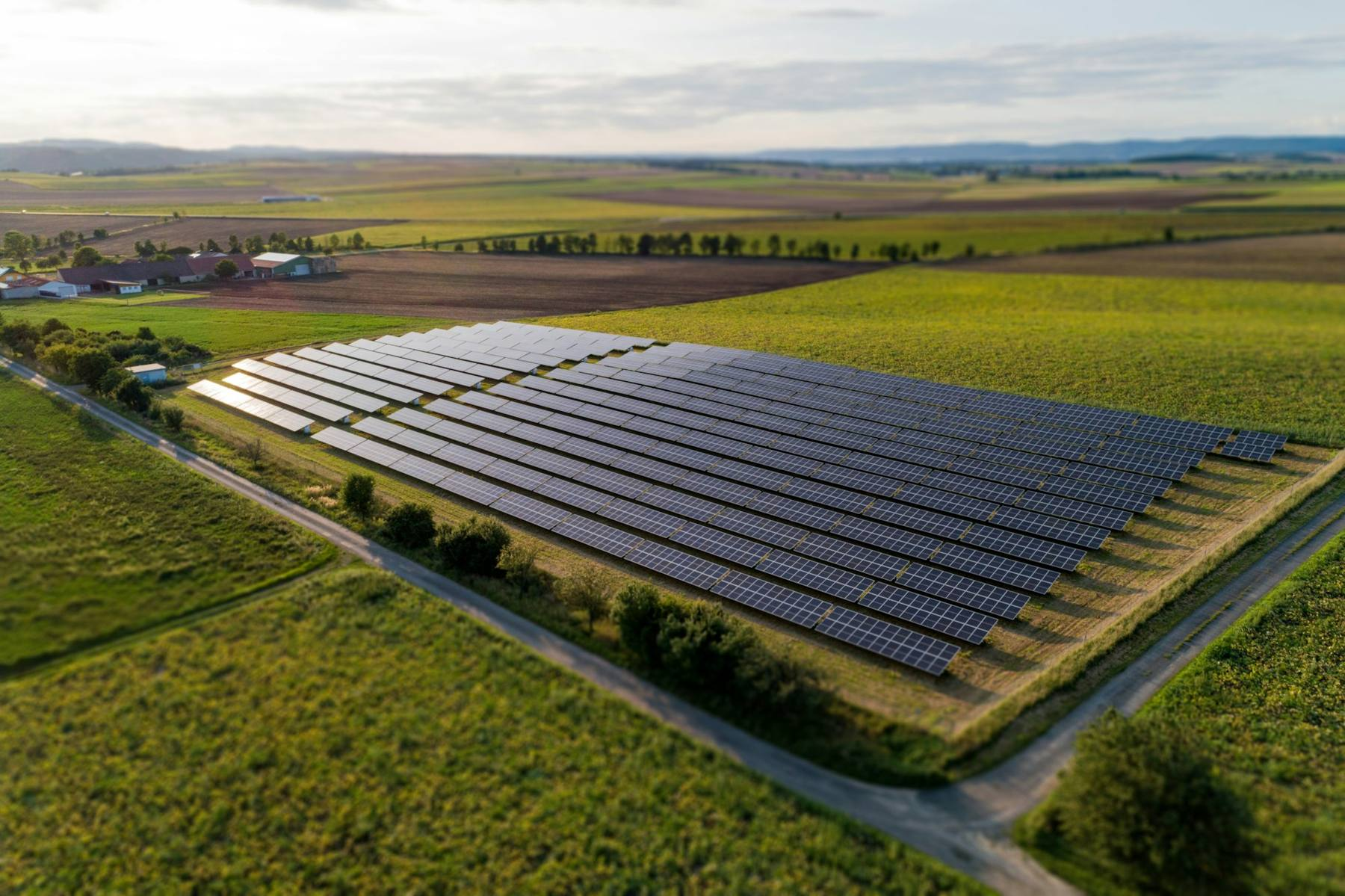
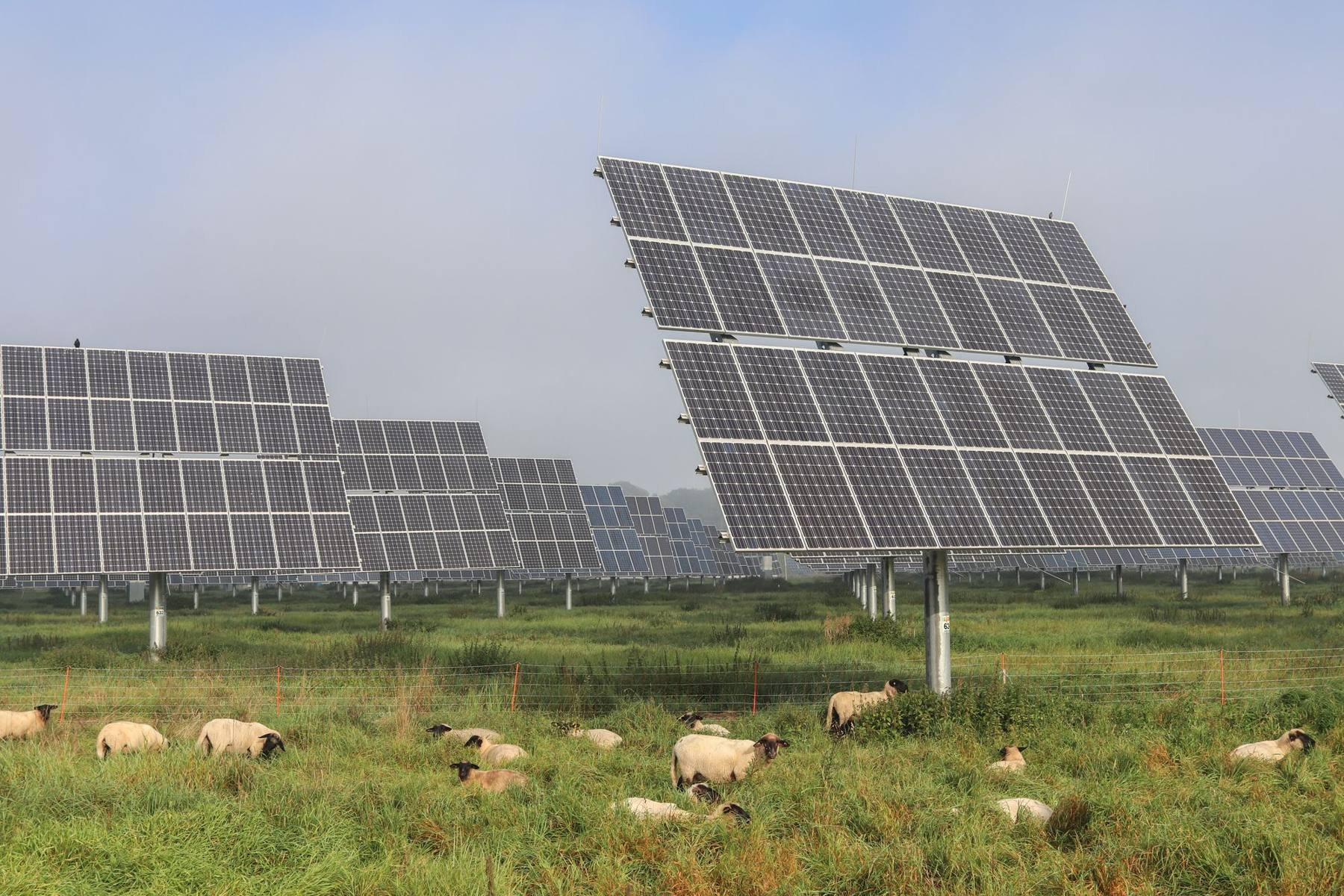
The largest share of investment still flows into generation assets, but the composition is shifting. Solar remains highly competitive because it offers scalability, falling technology risk and a relatively short construction profile. For many investors, it remains the easiest entry point into the transition, especially where portfolios are diversified by geography, offtake structure and operational stage.
That said, standalone generation is no longer sufficient in every market. As power systems absorb more intermittent supply, storage and grid support become central to preserving project economics. This is one of the clearest energy transition investment trends in the current market. Capital is moving towards assets that solve system constraints rather than simply adding megawatts. Battery storage, flexible demand solutions and software-led building management can all improve the value of electricity infrastructure by shifting usage, reducing peak exposure and supporting balancing requirements.
Smart infrastructure is therefore attracting more attention from commercially minded investors. Building management systems, efficiency retrofits and digital controls may appear less visible than utility-scale generation, but they can offer compelling economics where savings are measurable and implementation risk is controlled. In many cases, these assets also sit closer to the end customer, creating differentiated revenue profiles compared with wholesale power exposure.
A further allocation theme is transition-linked materials. Electrification requires copper, aluminium, nickel, rare earths and other inputs. That creates a strategic case for selective exposure to resource-backed finance and mining-related debt, provided underwriting standards are strict and governance is credible. The opportunity is real, but so is the sensitivity. Commodity pricing, jurisdictional risk, permitting, community impact and environmental performance all require deeper scrutiny than many investors initially assume.
Revenue quality matters more than headline growth
One of the market’s most notable shifts is the move from volume-led optimism to revenue discipline. A large pipeline can support a strong growth narrative, but sophisticated allocators increasingly test whether capacity converts into operating income on acceptable terms. That means placing greater weight on project stage, grid connection certainty, capex control, counterpart strength and the durability of revenue assumptions.
For operating assets, investors want evidence of generation performance, availability, maintenance discipline and cash conversion. For development-stage assets, they are focusing more closely on land rights, planning status, interconnection, procurement and offtake pathways. The discount rate applied to a project can move materially if any one of those factors is weak.
This is where platform credibility becomes a differentiator. Asset-backed opportunities with a defined compliance framework, documented counterpart review and visible operational metrics are simply more financeable than loosely assembled pipelines. In the present market, process quality is not an administrative detail. It is part of the investment case.
Energy transition investment trends and the return of selectivity
Cheap capital once masked weak underwriting. That period has passed. Higher financing costs and tighter risk committees have sharpened the distinction between bankable infrastructure and speculative energy exposure. As a result, investors are becoming more selective on technology, jurisdiction and capital structure.
In established markets, contracted solar and storage can still attract substantial demand, but entry valuations must leave room for execution risk and operating variance. In emerging markets, return premiums may be stronger, yet so are currency, policy and enforcement risks. Neither route is inherently superior. It depends on the investor’s liability profile, governance tolerance and ability to assess local counterparties.
Capital structure is equally important. Senior secured debt, preferred instruments and asset-backed private placements may suit investors prioritising downside protection and cash yield. Equity can offer stronger upside, but only where the development pathway, revenue stack and exit environment are well understood. The label “energy transition” does not remove the need to match instrument design to risk appetite.
Policy support remains important, but not sufficient
Public policy still shapes the market through permitting, subsidy regimes, carbon pricing, planning reform and industrial strategy. However, experienced investors are less willing to rely on policy alone. Supportive regulation can improve project economics, but it cannot repair weak assets, overleveraged structures or poor counterparties.
The more durable opportunities are those that remain commercially coherent even if incentives tighten. That generally means lower-cost generation, assets linked to genuine system need, and projects supported by strong commercial demand rather than solely regulatory preference. Private wire structures, corporate power arrangements, grid services and efficiency-driven savings contracts are all examples where the business case can remain intact under changing policy conditions.
This distinction matters for portfolio construction. Subsidy-enhanced returns may still have a place, but they should not be mistaken for the same risk profile as infrastructure with independently resilient cash flows.
Why cross-sector exposure is becoming more relevant
The transition is not a single asset class. It is a chain of interdependent systems involving generation, networks, buildings, industrial demand and materials supply. Investors who treat it as a one-sector theme may miss both risk concentrations and complementary opportunities.
A portfolio exposed only to power generation may perform differently from one combining solar, building efficiency and selected resource-linked credit. The latter can benefit from diversified revenue drivers, different duration profiles and multiple routes to value creation. It can also provide a more realistic reflection of how the transition is being financed in practice – through a mix of operating assets, enabling infrastructure and strategic inputs.
This is where an institutional approach has an advantage. Platforms able to assess fixed assets, pipeline capacity, net asset position, compliance documentation and projected annual revenue across sectors are better placed to structure opportunities that are both ESG-aligned and commercially grounded. That balance is increasingly what serious capital is looking for.
What investors should watch over the next cycle
Over the next 12 to 24 months, attention is likely to centre on grid congestion, storage economics, power price volatility, refinancing risk and access to transition metals. Secondary market activity may increase as early investors recycle capital and developers seek balance sheet flexibility. That should create more opportunities to acquire de-risked assets, though often at tighter spreads than headline market commentary suggests.
Investors should also watch for a continued bifurcation between credible platforms and promotional ones. The market is large enough to attract both. The difference will usually be visible in documentation standards, asset verification, counterpart compliance and the realism of financial assumptions. RA-LP operates in the part of this market where infrastructure discipline, ESG alignment and transaction structure need to stand together rather than compete for attention.
The most durable capital in this sector is not chasing a short-term narrative. It is underwriting assets, systems and supply chains that will remain economically relevant as power demand rises and infrastructure modernises. That is the real shape of the market. The useful question is not where the loudest momentum sits, but where asset quality, compliance discipline and revenue visibility still justify deployment.